Homeland Shelter – A Java Roguelike from Scratch
The Beginning
In 2020, some friends (@bautim and @melvinmotion) and I decided to take on a challenge: building a game completely from scratch using Java and the respective standard library only. The idea was to learn by doing, to gain hands-on experience with the foundations of game engines and mechanics, and to push our programming and design skills forward.
What We Built
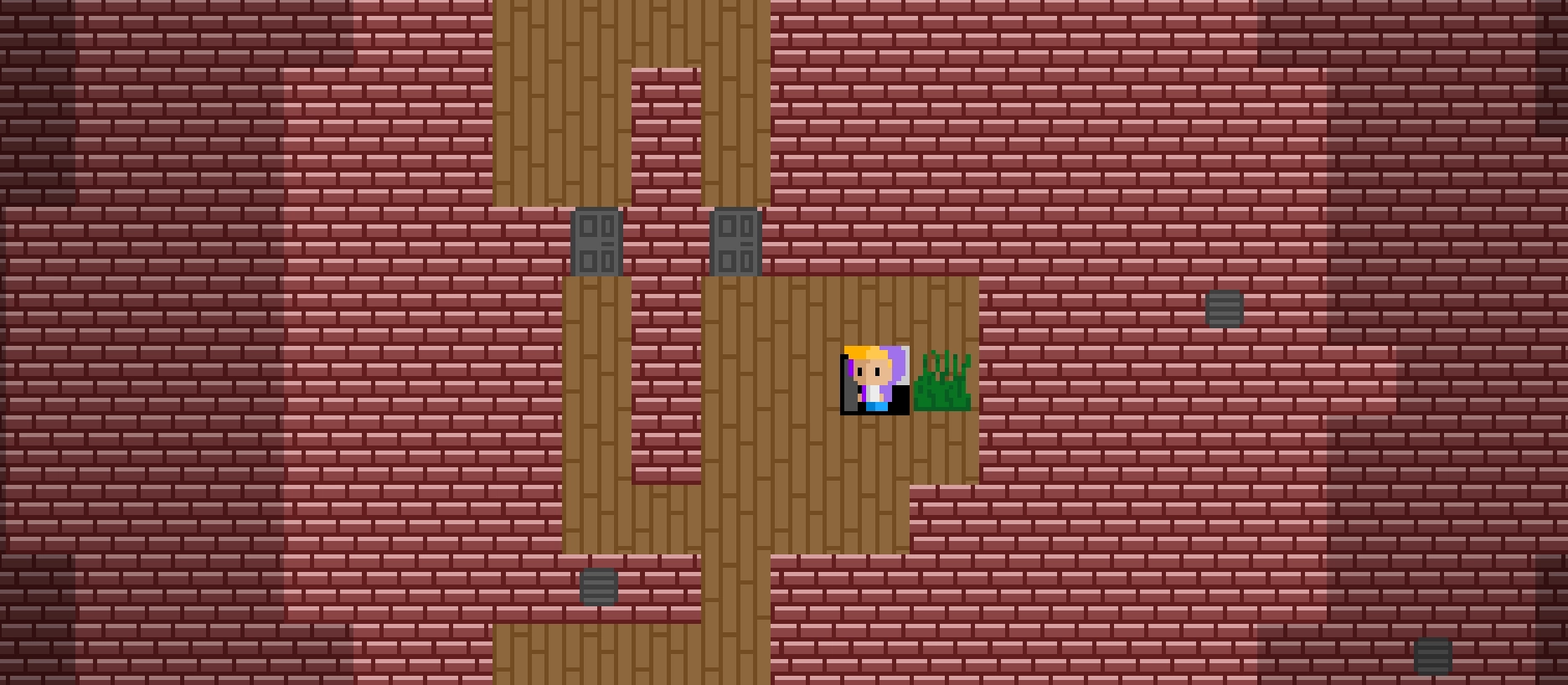
The result was Homeland Shelter, a dungeon-style roguelike that brings together several core gameplay systems we implemented ourselves:
- Procedural dungeon generation for dynamic level layouts
- A flexible item and inventory system with equipment management
- Enemy spawning and combat mechanics built from the ground up
- Integration of the A* pathfinding algorithm
- Custom sprite work created specifically for the game
Everything you see in the project was created without the aid of external libraries or engines — a deliberate choice that forced us to really understand the low-level mechanics behind games and engines.
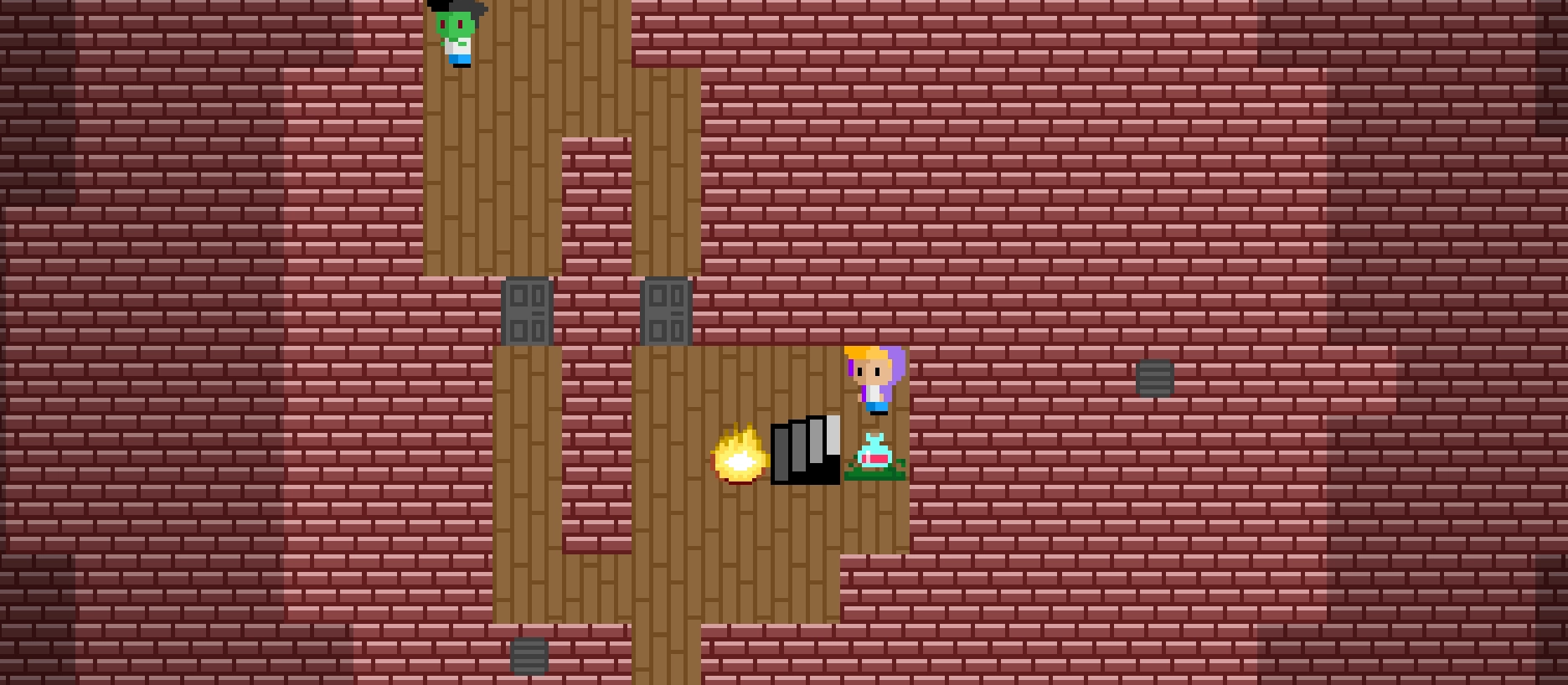
In this picture you can see some changes to the starting position. First up, the tall grass is “breakable” and loot can be generated via a loottable. Also an enemy spotted me and began to move to my position. The fire is a placeholder texture for GIF-based animations.
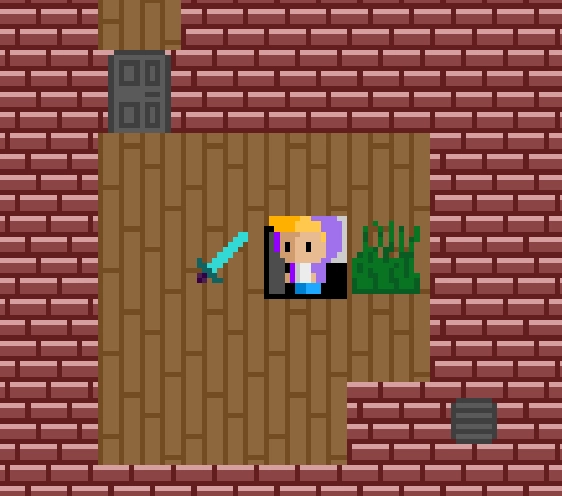
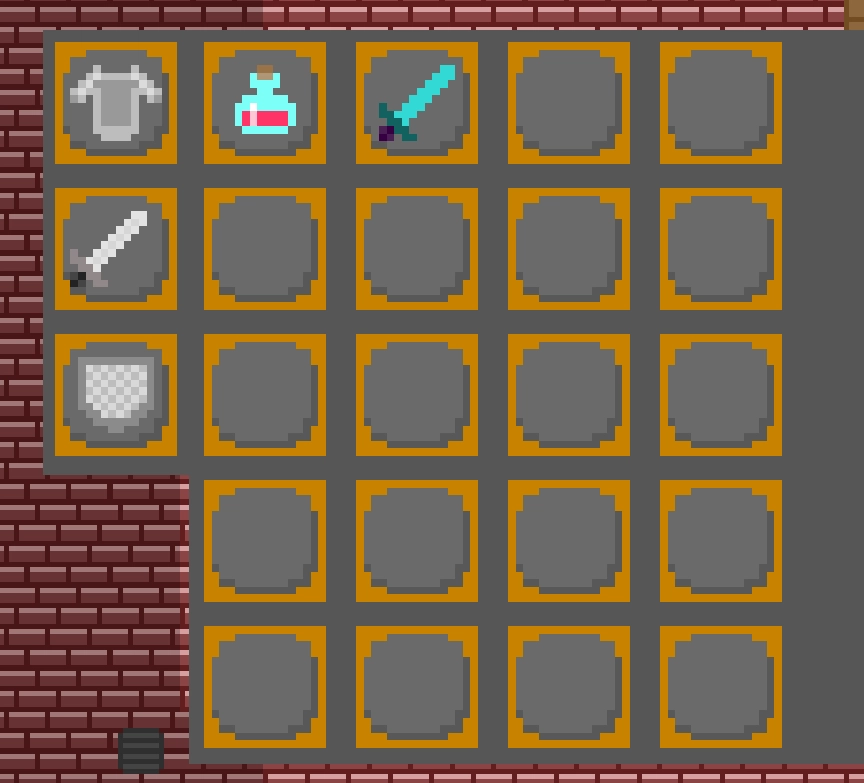
Changing the metadata file for the items, the texture is easily swapable and collectable. Collected items can be access via an inventory.
Collaboration and Contributions
This project was a team effort:
- Tim Bauer (@bautim) contributed the A* algorithm and gameplay improvements.
- Melvin Lannatewitz (MelvinMotion) designed and drew the sprites that brought our world to life.
Working together, we not only improved as individual developers but also learned a lot about teamwork, version control, and project planning.
Key Takeaways
What I’m most proud of with Homeland Shelter is how much it taught me about game architecture, algorithm design, and procedural generation techniques. It also reinforced the importance of balancing creativity with maintainable code. While I’ve since explored engines like Unity to scale projects further, this experience gave me a solid foundation in the fundamentals of game development.
Try It Yourselves
The project is available on GitHub for anyone who’d like to explore the code or try it out:
Homeland Shelter on GitHub
Homeland Shelter remains an important milestone in my portfolio — a project that demonstrates persistence, technical curiosity, and a passion for building games from the ground up.